
Black Hole of Calcutta Falls it's all in the name CalEXPLORnia

The first-hand account belongs to John Zephaniah Holwell, an Irish doctor who went to India in the service of the East India Company and subsequently survived a night in the prison known as the Black Hole of Calcutta. The East India Company, ostensibly a trade conglomerate, operated largely in proxy for the British Government, overseeing Britain's investment in India even to the extent of.
Black Hole Memorial, Calcutta, India. circa 1910 Stock Photo, Royalty

The Black Hole of Calcutta. In 1756 over 140 British subjects were imprisoned in a cell measuring only 5.4m by 4.2m in Calcutta, India. Only 23 came out alive…. The horrifying story of the Black Hole of Calcutta starts in early 1756. The East India Company, a relative newcomer to the Indian subcontinent, had already established a popular.
in indian history black hole of calcutta was creepy incident. इतिहास के
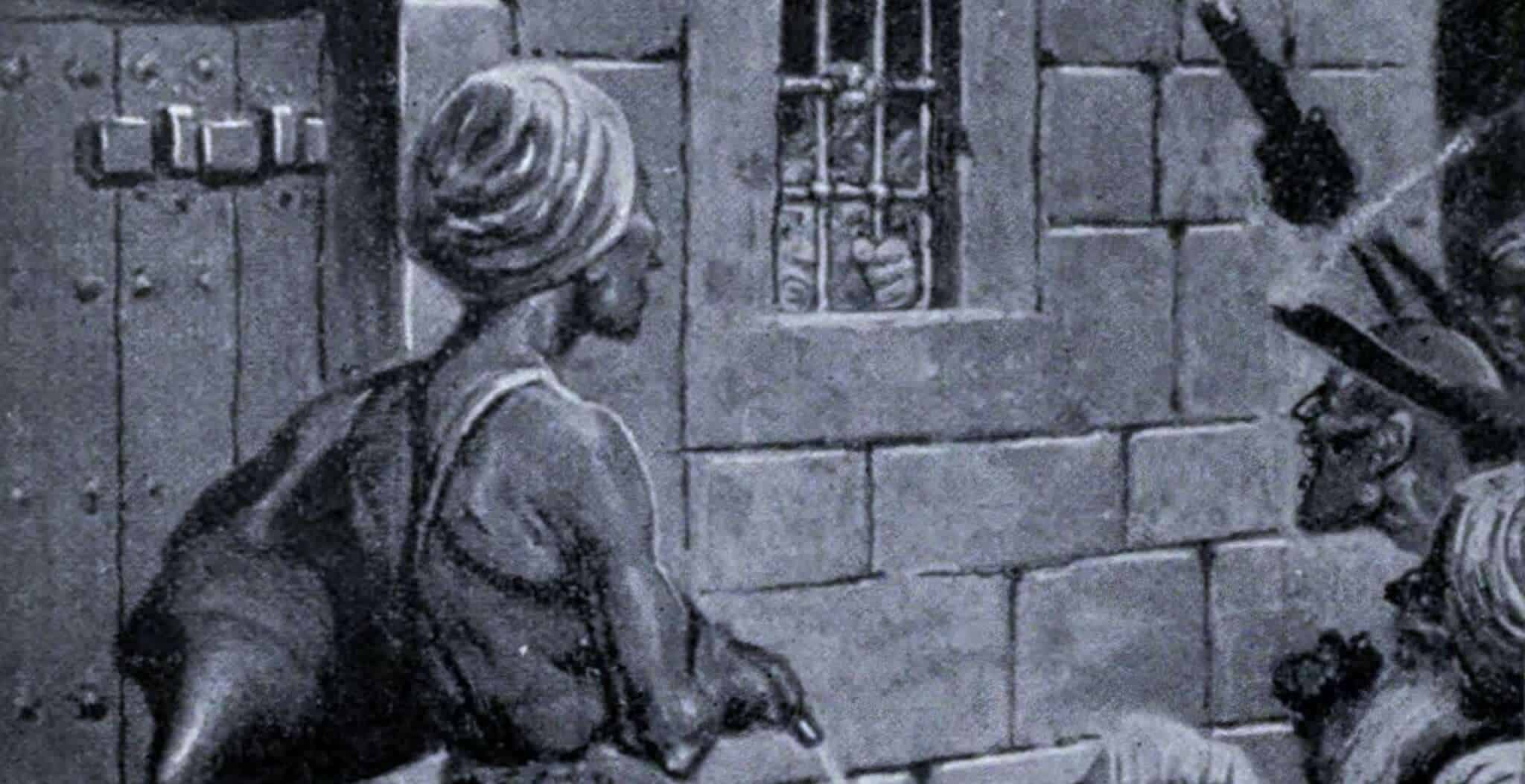
The Black Hole of Calcutta enclosed by a railing. Black Hole of Calcutta was a dungeon in old Fort William, Calcutta, India. It was 18 feet (5.5 metres) long and 14 feet (4 metres) wide, and had two small windows. [1] The fort was built by the British to defend their trading interests in Calcutta. During hostilities in 1756, the fort was.
The Black Hole Of Calcutta Monument Calcutta Photograph by Shaun Higson
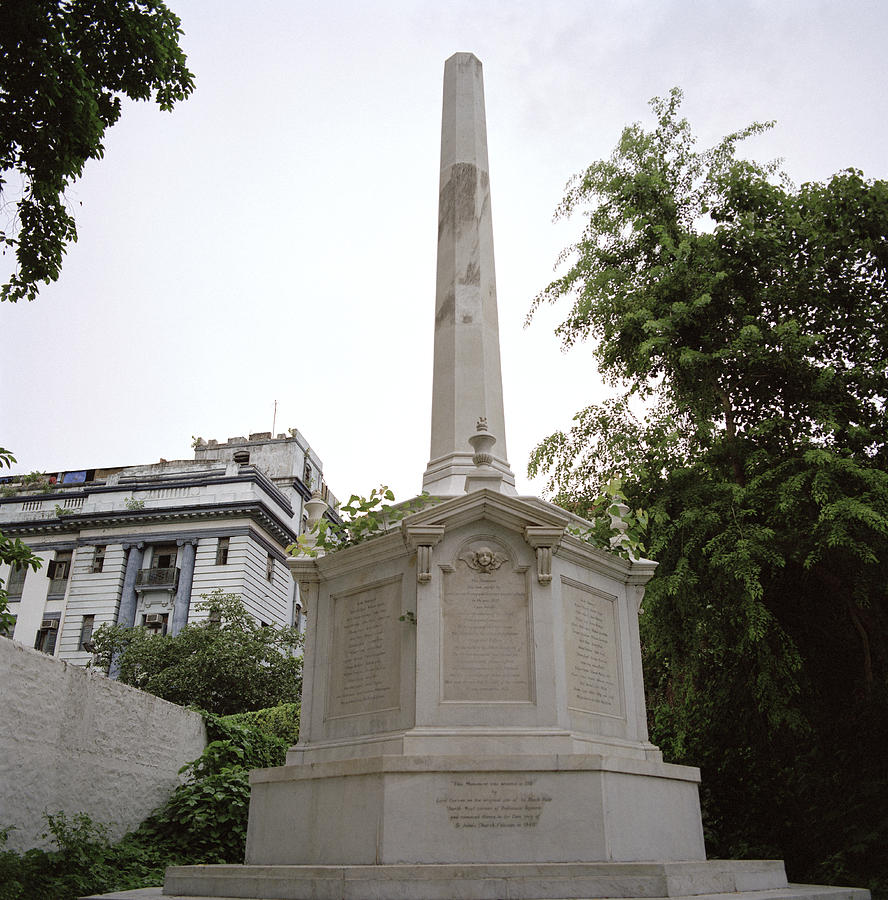
The phrase Black Hole of, or at, Calcutta refers specifically to the punishment cell at the barracks in Fort William, Calcutta, Bengal, in which, on Saturday 19th June 1756, after the fall of the fort, 64 British and Anglo-Indian soldiers and civilians were reputedly confined overnight in crowded conditions, only 21 surviving until the morning.
Black Hole of Calcutta Falls Met up with Jean (2boys2day) … Flickr

The Black Hole of Calcutta. In 1690, the British forces established a port and trading post in Calcutta, India. To defend this important commercial empire, mainly from the French, Fort William was established. In 1756, when the Nawab of Bengal, Siraj-ud-daula, found out that the walls of Fort William were being strengthened, he demanded that.
What is the black hole tragedy in Calcutta (Kolkata) Hindi YouTube

A black hole is a region of spacetime where gravity is so strong that nothing, including light and other electromagnetic waves, is capable of possessing enough energy to escape it. [2] Einstein 's theory of general relativity predicts that a sufficiently compact mass can deform spacetime to form a black hole.
March 12, 2016 Yelp

The notorious episode of the "Black Hole" of Calcutta furnishes an extraordinary instance of the manner in which narratives are constructed and the place of iteration in historical narratives. It points equally to the difficulty of ascertaining "truth" in history. In 1756, Siraj-ud-daulah, the Nawab of Bengal, occupied Fort William and.
The Black Hole of Calcutta Turn Wiki Fandom
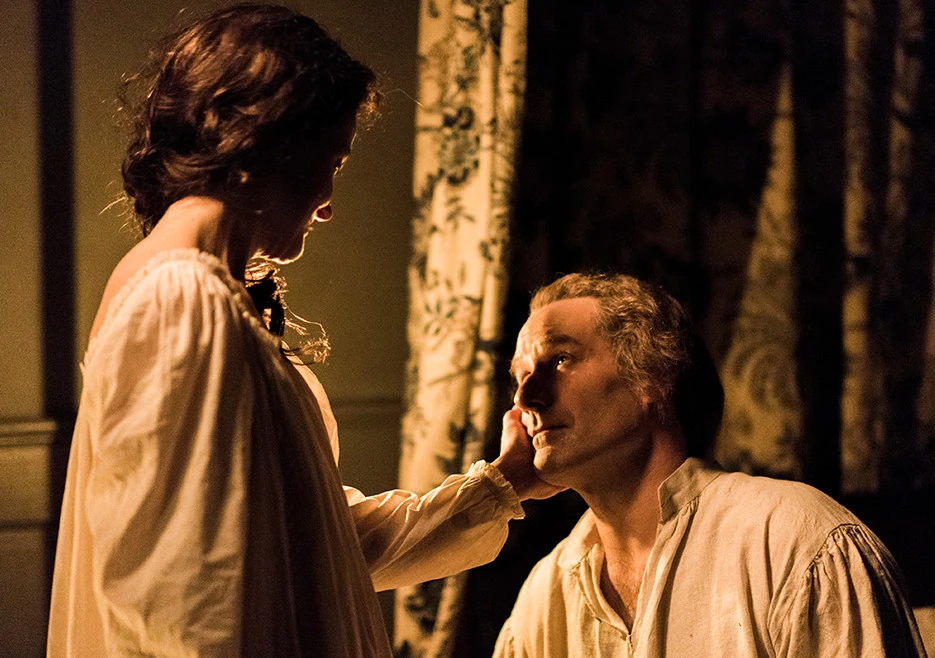
Illustration. by BSB München. published on 05 October 2022. Download Full Size Image. An c. 1762 illustration of the Black Hole of Calcutta, the infamous prison cell used to hold captured British soldiers in 1756. According to one survivor, 123 of 146 prisoners died of dehydration and heat exhaustion. Remove Ads.
Black Hole of Calcutta falls headtrail. [OC] [5312x2988] r/EarthPorn

The Black Hole of Calcutta was a dungeon in Fort William, Calcutta, measuring 4.30 × 5.40 metres (14 × 18 feet), in… en.wikipedia.org Black Hole of Calcutta | Indian history
The Concrete Paparazzi The Calcutta Collectorate and The Black Hole of
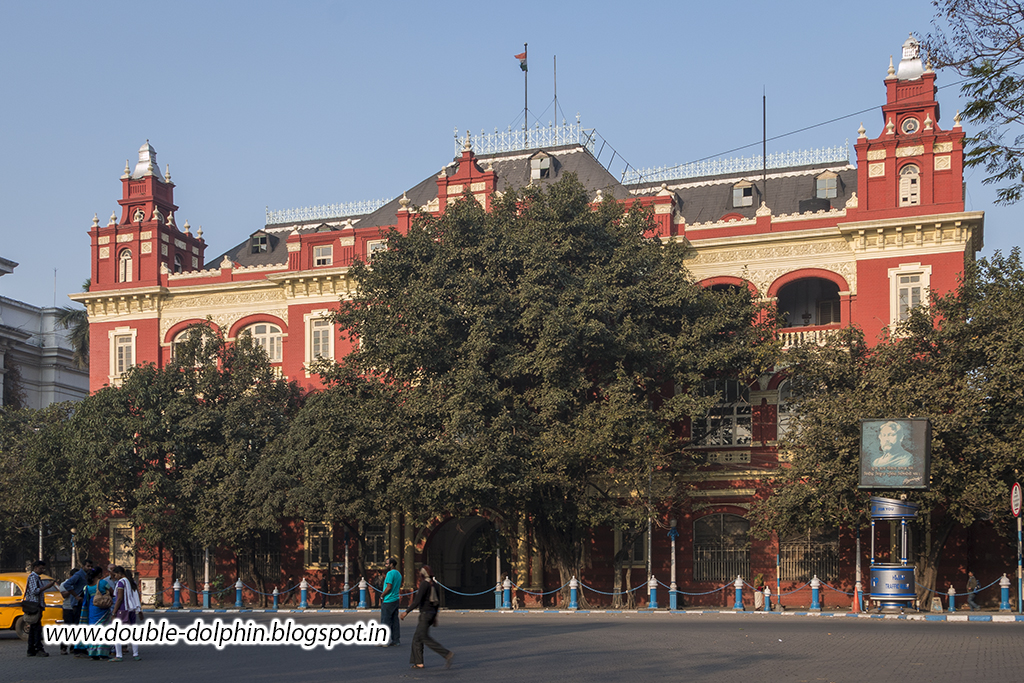
The Black Hole of Calcutta was a dungeon in Fort William, Calcutta, measuring 14 by 18 feet (4.3 m × 5.5 m), in which troops of Siraj-ud-Daulah, the Nawab of Bengal, held British prisoners of war on the night of 20 June 1756.: 58 John Zephaniah Holwell, one of the British prisoners and an employee of the East India Company, said that, after the fall of Fort William, the surviving British.
Photos for Black Hole of Calcutta Falls Yelp

The Black Hole of Calcutta With the British commander of the garrison ordering soldiers to try and escape and the desertion of allied Indian troops, the fort fell on June 20. Accounts vary as to how many British troops, somewhere between 64 and 146, were captured but those that were found themselves imprisoned overnight in the fort's small.
The Black Hole of Calcutta 1756 The Medieval Shoppe
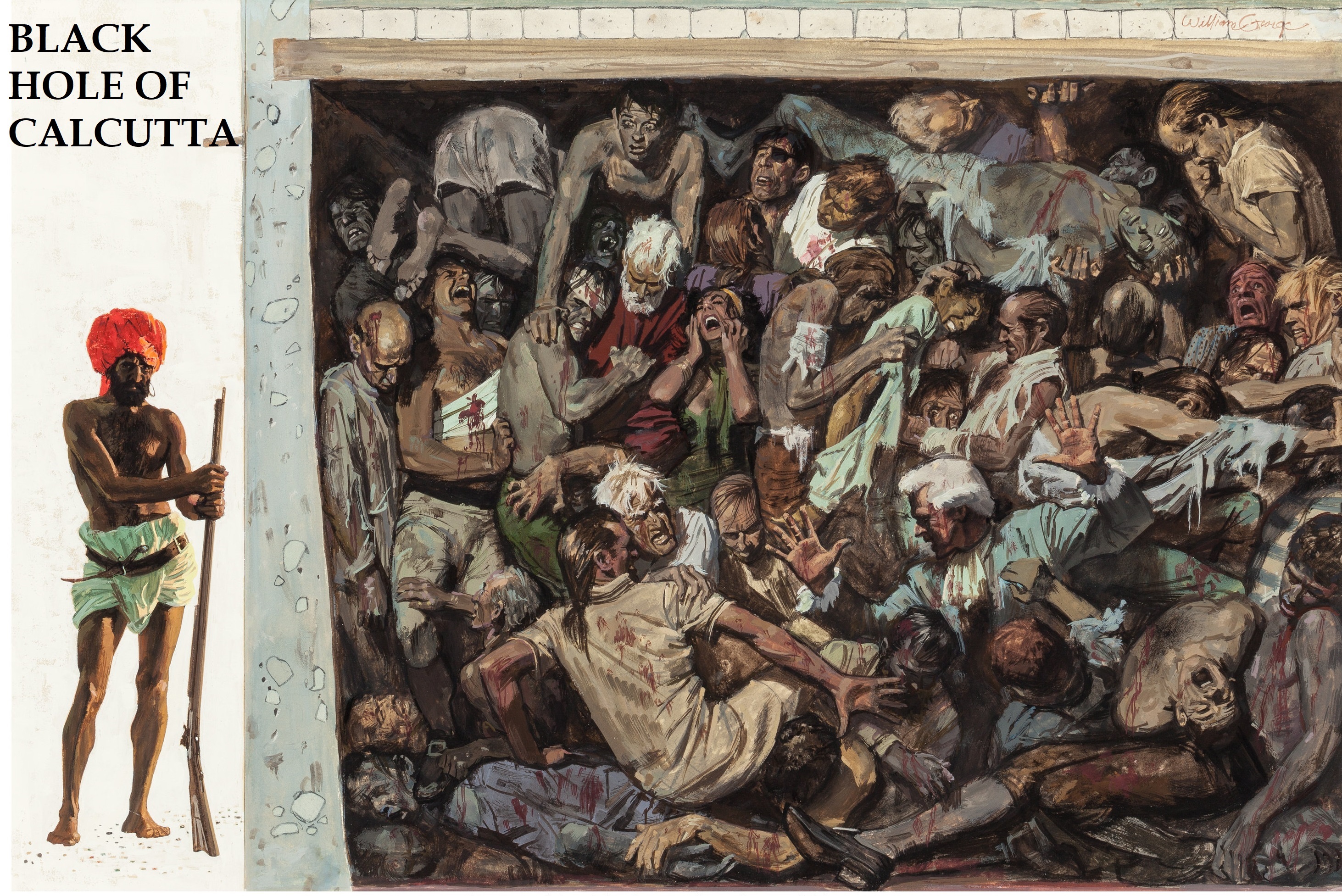
Holwell's description of the Black Hole of Calcutta described it as: 14 by 18 feet (4.3m x 5.5m) Having two windows with thick iron bars; Containing a small, projecting veranda ; The prisoners were locked inside around 8 pm, and from there, things became worse by the minute. The Black Hole was so tightly packed with bodies that the crush was.
The Black Hole of Calcutta Kolkata, India Atlas Obscura

The Black Hole of Calcutta incident refers to forty three British soldiers and their Indian comrades in arms who perished in the Fort William brig, June 20, 1756. The events leading up to the Black Hole of Calcutta involved a campaign by the Nawab of Bengal, Siraj ud-Daulah against the British East India Company security forces in Calcutta. In June 1756, he marched on the Company's settlement.
Black Hole of Calcutta Falls Trailhead in the city Auburn

Maximum extent of French influence 1741-1754. The siege of Calcutta was a battle between the Bengal Subah and the British East India Company on 20 June 1756. The Nawab of Bengal, Siraj ud-Daulah, aimed to seize Calcutta to punish the company for the unauthorised construction of fortifications at Fort William.Siraj ud-Daulah caught the Company unprepared and won a decisive victory.
The Black Hole of Calcutta by Noel Barber

The Black Hole of Calcutta refers to a prison cell which was used to hold 146 mostly British prisoners captured after the Nawab of Bengal had taken over the city from the East India Company.Interred on 20 June 1756 in a tiny cell in Fort William, 123 of the prisoners died of dehydration and suffocation. The number of the Black Hole deaths may have been exaggerated, but testimonies to the event.
Image result for black hole of calcutta blue mountain Black Hole Of

Black Hole of Calcutta, scene of an incident on June 20, 1756, in which a number of Europeans were imprisoned in Calcutta (now Kolkata) and many died.The Europeans were the remaining defenders of Calcutta following the capture of the city by the nawab (ruler) Sirāj al-Dawlah, of Bengal, and the surrender of the East India Company's garrison under the self-proclaimed governor of Bengal, John.